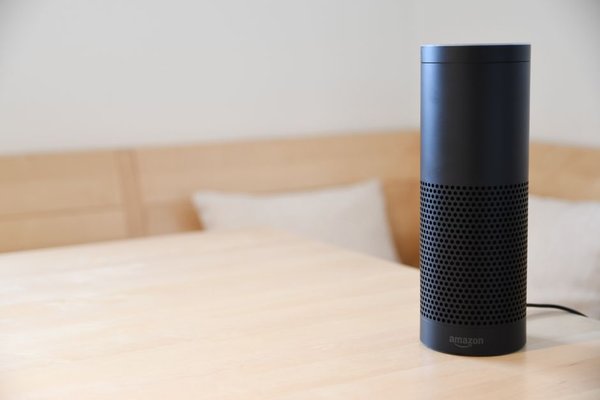
A smart speaker can hear you clearly from one corner of a room and struggle from another. The best location for smart speakers depends less on where the device looks attractive and more on where people actually speak, listen, and move.
Start with an open, stable surface near the room’s usual activity. Keep the microphone unobstructed and check wireless reception before settling on a permanent spot.
What Makes a Good Smart Speaker Location?
Think of placement as a balance between three jobs: hearing your voice, producing enjoyable audio, and staying connected. A speaker tucked into a bookshelf may look tidy but muffle sound and make commands harder to detect.
Begin with a stable shelf or table with open space around the speaker. Manufacturer advice differs by model: Amazon recommends keeping an Echo at least 15 cm from the wall in its general setup guidance, while Apple recommends at least 6 inches of space around HomePod during setup. Follow the instructions for your device.
Best Smart Speaker Placement by Room
Living Room: Near the Conversation Area
Position the speaker on a sideboard, console, or side table near the main seating area, preferably outside the television’s direct sound path. If you mostly request music from the sofa, prioritize sound reaching that seat evenly rather than placing the device beside the router at the opposite end of the room.
Avoid burying it among books or ornaments. For a pair used as stereo speakers, follow the manufacturer’s pairing and spacing instructions. If you use voice commands while the TV plays, test recognition at your normal viewing volume.
Kitchen: Away From Steam and Appliances
A dry counter section or open shelf away from the sink, hob, kettle, and microwave is usually a sensible choice. Keep the speaker clear of splashes, grease, and rising steam. A position beside a noisy extractor fan may be convenient for timers but unreliable for spoken requests while cooking.
For example, stand where you normally prepare vegetables and ask for a two-minute timer while the fan runs. If the command repeatedly fails, shift the speaker toward the quieter end of the counter, not closer to the hob.
Bedroom: Accessible Without Being Intrusive
A bedside table or nearby dresser works well for alarms, music, and lighting commands. Leave enough clearance around the microphones and keep the device away from water glasses and unstable piles of books. Avoid positioning a bright-screen smart display directly in your line of sight if nighttime light bothers you.
Consider privacy as well as convenience. Review the device’s microphone controls, recording options, and notifications before putting an always-listening assistant in a bedroom.
Home Office: Clear of Work Calls
Place the speaker on a side shelf or the quieter edge of a desk, away from computer fans and other audio equipment. A device immediately beside laptop speakers can have difficulty separating your command from meeting audio. It may also respond unexpectedly to speech played through another device.
Keep it within easy speaking distance without crowding your keyboard or cables. If your desk faces a wall, try moving the unit to the side rather than wedging it behind a monitor.
Dining Room and Open-Plan Spaces: Follow the Voices
In an open-plan home, the physical center is not necessarily the best spot. Place the speaker near the area where requests originate most often, such as the dining sideboard, while keeping it away from kitchen clatter. Test commands from the dining table and lounge before choosing one position to serve both areas.
Additional speakers can be more practical than turning up the volume on one poorly situated device. Give them distinct room names for easier multiroom control.
Fine-Tune Voice Pickup, Sound and Wi-Fi
Listen for Reflections and Boomy Bass
Hard corners and enclosed cabinets can exaggerate bass or make music sound boxed in. Move the speaker forward on the shelf, away from adjacent walls, and replay a familiar track. Some models automatically adapt audio to their surroundings, but that does not make every location equally effective.
For voice assistant placement, open air matters too. A microphone covered by decorations or pointed toward a constant source of noise has a harder job than one exposed to the room.
Check the Wireless Connection Where It Will Live
A strong signal near your router does not guarantee a strong connection in the kitchen or upstairs bedroom. Test music playback and commands at the intended spot before organizing the power cable. Walls, floors, crowded networks, and nearby electronics can affect reliability.
Amazon’s Echo troubleshooting guidance recommends moving devices away from potential interference sources, including microwaves and baby monitors. If the connection remains unstable, investigate Wi-Fi coverage rather than assuming the microphone is faulty. A practical next read is a smart home Wi-Fi troubleshooting guide.
A Five-Minute Placement Test
Choose two promising spots. At each one, speak the same short command from your normal positions: seated, standing, and near the doorway. Repeat while the TV, fan, or other typical background sound is running. Notice missed wake words, delayed responses, and whether you have to raise your voice.
Next, play a familiar song at a comfortable level and listen from your usual seat. Check that playback remains stable and that the power cord is safely routed. The winning position is the one that works during everyday activity, not merely in a silent room. Voice assistant routines can make the setup even more useful.
Common Placement Mistakes
Avoid placing speakers inside closed cabinets, on unstable ledges, beneath dripping plants, or near radiators and cooking heat. Do not block ventilation, route cords across walkways, or assume every model is suitable for a bathroom or outdoor area. Check its environmental and mounting instructions first.
Resist hiding the microphone for the sake of a perfectly symmetrical shelf. A less decorative but open location usually makes hands-free control easier. Review smart speaker privacy settings alongside your final placement.
Frequently Asked Questions
Should a smart speaker be in the center of the room?
Not necessarily. An open location near the people using it is often more useful than the exact center. Test from your normal seating and walking areas, especially in open-plan rooms.
Can I put a smart speaker against a wall?
Some models can work near a wall, but the recommended clearance varies. Leave space around the unit where possible and follow its manufacturer’s placement guidance for both sound and airflow.
Is a high shelf better for voice recognition?
Not automatically. A high, open shelf may work well, but a recessed shelf or a position near loud equipment may perform worse. Compare it with a lower, unobstructed surface using ordinary voice commands.
How far should a smart speaker be from the Wi-Fi router?
There is no single ideal distance for every home. Keep the speaker within reliable wireless coverage and away from interfering appliances. If playback stalls, test another location and check your network setup.
Conclusion
The best location for smart speakers is where voice requests are easy to hear, music sounds natural, and the network stays dependable. Start with an open, safe surface close to everyday activity, then test it under real conditions. A small move can make a surprisingly big difference.