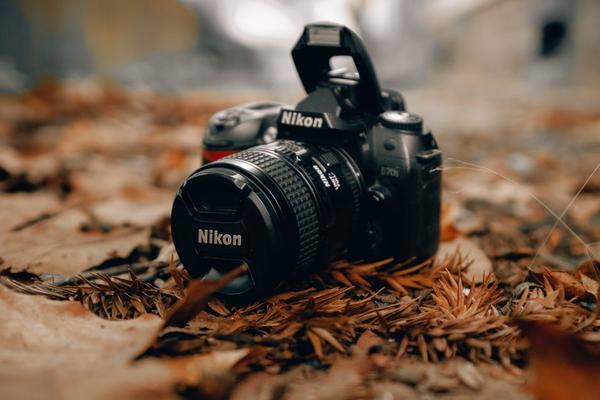
The mirrorless camera vs DSLR debate is less about which technology can take a sharp photograph and more about how each camera helps you get the shot. Both accept interchangeable lenses, offer manual controls and can produce professional-quality images. Their biggest differences emerge while framing a scene, tracking action, recording video or carrying gear all day. For most people buying a new system, mirrorless is the more future-focused choice. A DSLR can still be excellent, especially when purchased used or paired with lenses you already own.
How the Two Camera Systems Work
A DSLR, short for digital single-lens reflex, uses a mirror to direct light into an optical viewfinder. When you press the shutter, the mirror moves so light reaches the image sensor. A mirrorless camera skips that moving mirror: its sensor supplies the live image on the rear screen or an electronic viewfinder.
That design change shapes many mirrorless vs DSLR differences. It affects body size, viewing, focusing and power consumption, but does not automatically determine image quality.
Viewfinders: Direct Sight or Digital Preview?
A DSLR’s optical finder gives you a natural view through the lens without the refresh or battery drain of an electronic display. Some photographers prefer it for following unpredictable action.
A mirrorless electronic viewfinder can preview exposure, colour settings and white balance before you shoot. It may also display a histogram, magnified focus view or exposure warnings. This makes manual exposure more intuitive, although the preview cannot predict every final photograph, particularly with flash.
Some entry-level mirrorless cameras omit a viewfinder. Check before buying if you frequently shoot in strong sunlight.
Size, Weight and Handling
Without a mirror box, mirrorless bodies can be slimmer and lighter. That helps on a city walk or hike, but the complete kit matters more than body dimensions. A fast full-frame zoom can be large on either system.
DSLRs often have deep grips and comfortable balance with heavy telephoto lenses. Mirrorless models range from tiny travel bodies to substantial professional cameras. Hold each body with your intended lens before deciding that smaller is better.
Autofocus and Moving Subjects
Many current mirrorless cameras focus directly on the imaging sensor and can identify and track faces, eyes, animals or vehicles. Their focus coverage often extends across much of the frame, helping with off-centre portraits and action. Which subjects they recognise depends on the model.
DSLRs can focus quickly through an optical viewfinder, especially higher-end sports bodies. However, their dedicated autofocus points often cluster nearer the centre. Focusing through the rear screen may use a different, sometimes slower system, although some DSLRs provide excellent live-view autofocus.
Imagine photographing a child running across a garden. A recent mirrorless body with face tracking may maintain focus while you concentrate on timing. An experienced DSLR user can achieve sharp results too, but may need more deliberate focus-point selection.
Image Quality: The Sensor Matters More
Neither design has an inherent advantage in colour, detail or low-light noise. Compare sensor size, sensor generation, lens quality and image processing instead. A well-exposed DSLR photograph can look every bit as good as a mirrorless one.
Full-frame and APS-C sensors exist across both categories. Understanding camera sensor sizes is often a better starting point than choosing based on a mirror mechanism.
Video and Burst Shooting
Mirrorless cameras generally offer more modern video features, including advanced continuous autofocus, high-resolution recording options and tools such as focus peaking. Some include effective in-body stabilisation. Capabilities vary, so compare recording limits, crops and heat management rather than assuming every mirrorless body excels at video.
DSLRs remain usable for video, and some focus very well, but newer video development concentrates on mirrorless systems. Electronic shutters may enable high burst rates and quiet shooting. Yet they can produce rolling-shutter distortion with fast movement or banding under artificial light.
Battery Life and Reliability
DSLRs generally deliver more shots per charge through the optical viewfinder because a live electronic preview is unnecessary. Mirrorless cameras power their sensor and display while you compose, though endurance varies substantially between models.
Manufacturer shot ratings are comparisons, not promises. Bursts, video, cold temperatures and display settings affect real-world endurance. Pack a spare battery for long events. Weather sealing and durability depend on the particular body and lens, not the presence of a mirror.
Lenses, Compatibility and Long-Term Cost
DSLR systems offer mature collections of used lenses, often at attractive prices. Mirrorless lens ranges have expanded considerably and receive much of today’s new design investment. Neither advantage guarantees your preferred portrait prime or wildlife zoom will be affordable.
If you own DSLR lenses, a compatible adapter may let you use them on a mirrorless body. Check each combination: autofocus, stabilisation and aperture control can vary. Not every lens adapts with full functionality, and mirrorless lenses generally cannot be mounted on DSLRs with a simple passive adapter.
Budget for the entire system: body, suitable lenses, batteries, cards and adapters. A used DSLR kit may cost less initially, while mirrorless can be simpler for future lens purchases. A guide to choosing your first camera lens can help prevent an expensive focal-length mistake.
Which Camera Suits Your Photography?
Think in shooting situations rather than specification wins. For wildlife, compare subject tracking, telephoto options and buffer capacity. For travel, test the weight of a complete kit. For weddings or interviews, prioritise dependable autofocus, storage and battery planning. Landscape photographers working on a tripod may care more about lenses and controls than tracking technology.
Among DSLR alternatives, current mirrorless cameras make sense for shoppers starting without lenses. A well-maintained, affordable DSLR is still worthwhile when the controls, lens selection and price suit your needs. The exposure triangle works the same way in both systems, so photography skills transfer easily.
Frequently Asked Questions
Is mirrorless better than DSLR for beginners?
Often, yes. Exposure previews and subject tracking can reduce guesswork. An inexpensive DSLR with a good lens remains a practical way to learn photography.
Do professional photographers still use DSLRs?
Yes. Many working photographers continue using dependable DSLR equipment, especially when they own suitable lenses. Professional results depend on far more than camera category.
Can I use DSLR lenses on a mirrorless camera?
Often, with the correct mount adapter. Compatibility varies by manufacturer, lens and body, so confirm autofocus and stabilisation support before buying.
Will mirrorless cameras replace DSLRs completely?
Mirrorless leads much new camera development, but existing DSLRs will remain useful for years. A market trend is not a deadline to upgrade.
Conclusion
The most meaningful camera system comparison comes down to how you shoot. Mirrorless offers focusing, preview and video advantages; DSLRs counter with optical viewing, often longer battery life and strong used-market value. Choose the lens ecosystem and handling that make you want to take the camera out.